
Our programs are based on the following programmatic lines:
Pillar 1: Women and youth:
Young people and women are at the center of our intervention, and they are drivers of development in all the programmatic lines. They are a target group in educational, training, empowerment, and participatory processes, and as promoters of gender responsive, inclusive, gender transformative actions and in their social and economic integration in communities’ processes and communities-led activities.
Pillar 2: Socio-economic inclusion:
The PASS, through its cross-sectoral programs, promotes integrated socio-economic inclusion of vulnerable groups of the target population, through TVET, life skills education, microfinance, and livelihood opportunities in the agricultural sector for small-scale farmers.
Pillar 3: Climate change, ecosystem protection, resilience and sustainability:
We promote actions aimed at protecting the environment. PASS’ response to climate change has a focus on the following themes, in the context of an overall framework we apply in gender equality, resilience, adaptation, economic empowerment and social justice:
a) Climate change, agriculture, food and nutrition security;
b) Climate change adaptation, loss and damage and the links to disaster risk reduction, mitigation, and response;
c) Climate change adaptation, resilience, community-based natural resources, including Water resources for sustainable use;
d) Disaster risk reduction and resilience education through community outreaches for knowledge and behaviour change creation.
Pillar 4: General Protection:
Safe and dignified human protection: PASS promotes the right to protection for Refugees, IDPs, Returnees and Host Communities by addressing their core needs from an integral perspective of the centrality of the protection principle. We work to ensure that people can have options for a dignified life and decide on their future.
Pillar 5: Peacebuilding, social cohesion, peaceful co-existence and peaceful common use of grassroots inter and intra communities’ level natural resources:
Rebuilding the social contract in conflict-affected areas to improve social cohesion
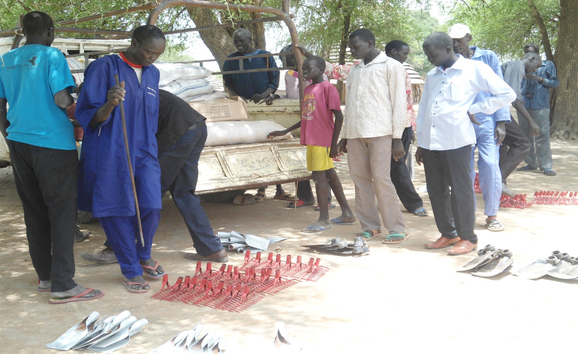
Humanitarian Assistance
Providing life-saving emergency support including food security, nutrition, shelter, non-food items, water, sanitation, hygiene (WASH), and emergency health interventions during crises.
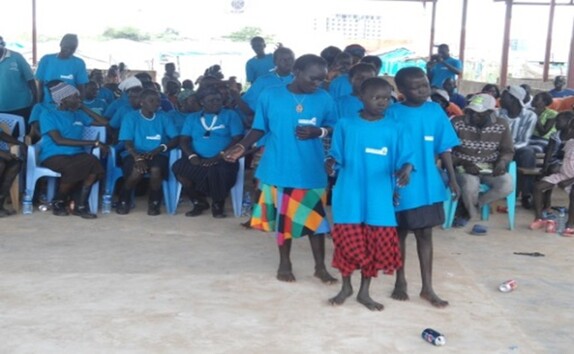
Gender Equality and Protection
Promoting the rights of women, children, youth, older persons, and persons with disabilities through protection services, empowerment initiatives, and advocacy for equal opportunities.
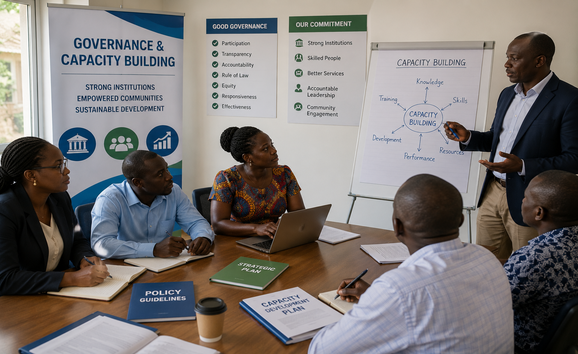
Governance & Capacity Building
Strengthening institutions through:Leadership development, Organizational capacity strengthening, Policy advocacy, Community governance, Public accountability, and Citizen participation.
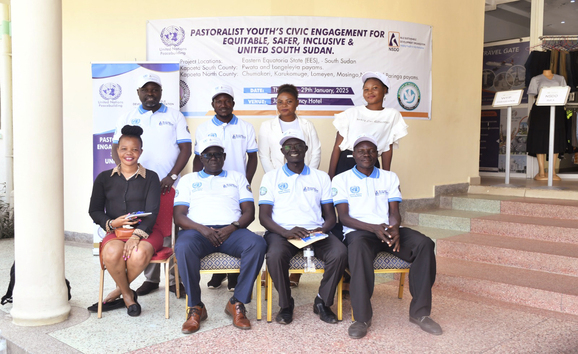
Peacebuilding & Social Cohesion
Promoting peaceful coexistence through:Community dialogue, Conflict resolution, Youth engagement, Women's participation, Civic education, and Social cohesion initiatives.
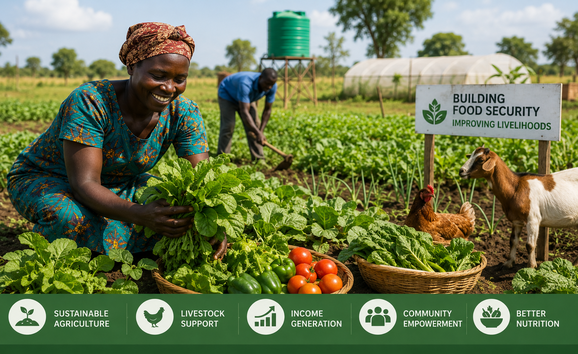
Food Security and Livelihoods
Strengthening household resilience through: Climate-smart agriculture, Livestock support, Farmer training, Business development, Vocational skills, Savings and loan groups.
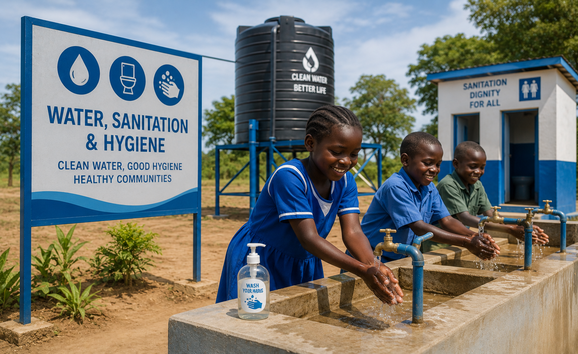
Water, Sanitation and Hygiene
Enhancing access to clean and safe water through: Borehole drilling, Water system rehabilitation, Hygiene promotion, Sanitation facilities, and Community-led sanitation programs.